
2023 was a challenging year for me professionally and personally so I didn’t get a lot of time to get the telescope out but below are some of the best astrophotography pics I took with my telescope in 2023.
For reference, all the pics below were shot using an Orion Eon 85mm ED-X2 Triple Apochromatic Refractor telescope and an Orion Skyview Pro EQ mount.
Eyepieces used were either the 27mm Televue Panoptic or the 11mm Televue Nagler and I used the Orion SteadyPix EZ Smarphone Telescope Adapter to use my iPhone 14 Pro. Exposure times were not more than 30 seconds as that was the max on the iPhone 14 Pro.
Here is a pic of my telescope setup in my front yard.

Now let’s get to the pics!
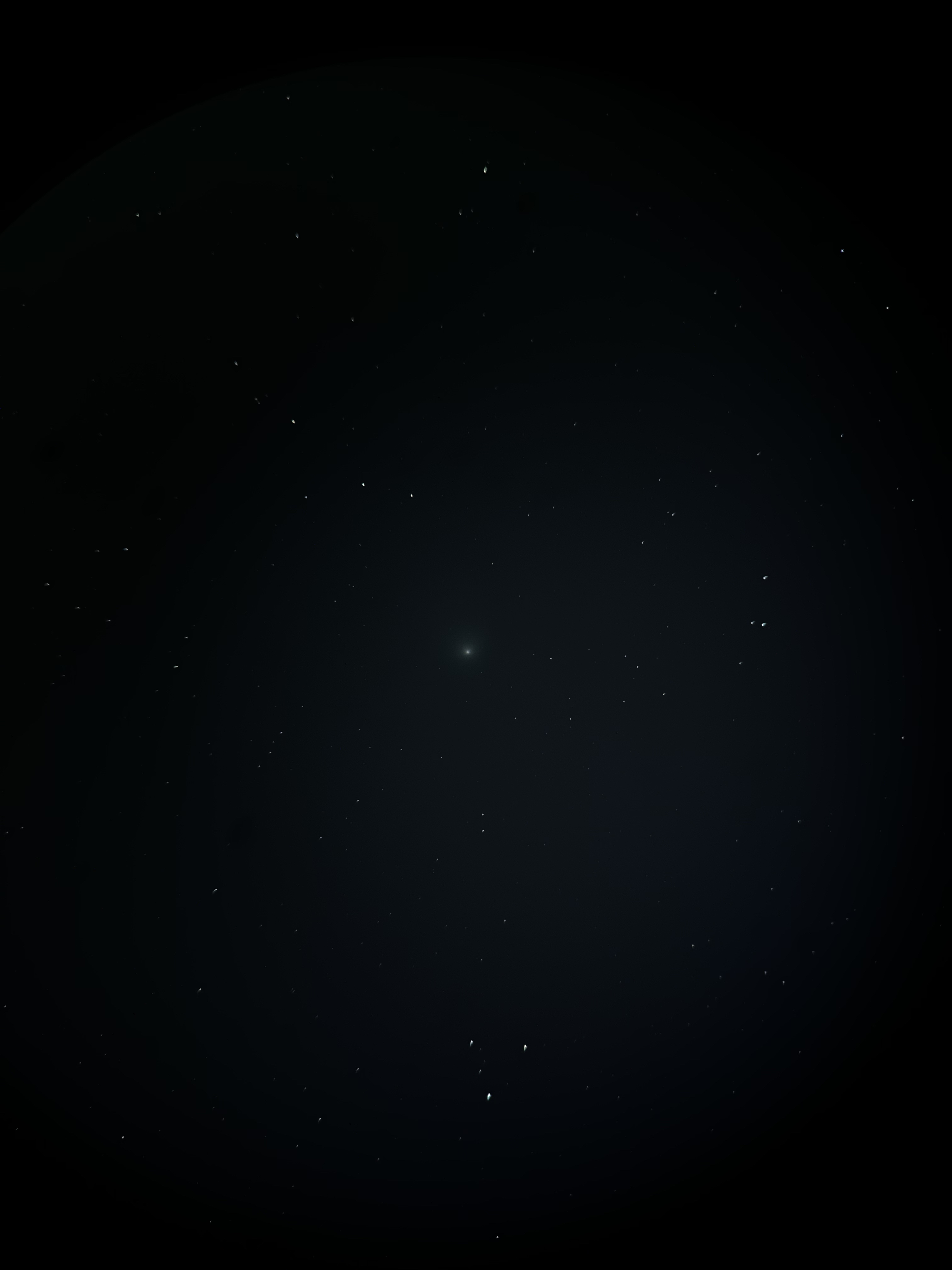
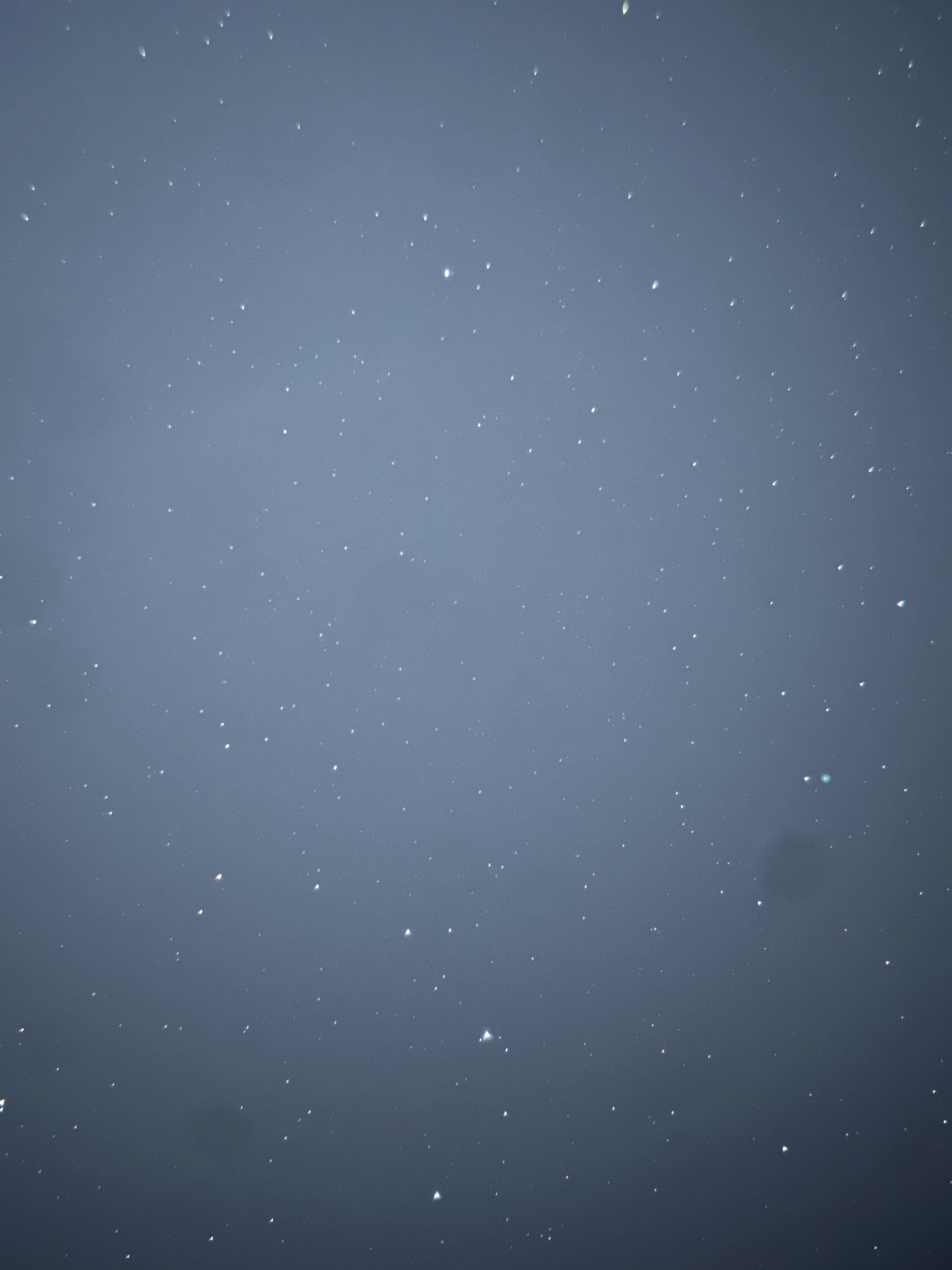
Below are a couple pics of Comet ZTF. Very nice green color and easy to spot back in January.

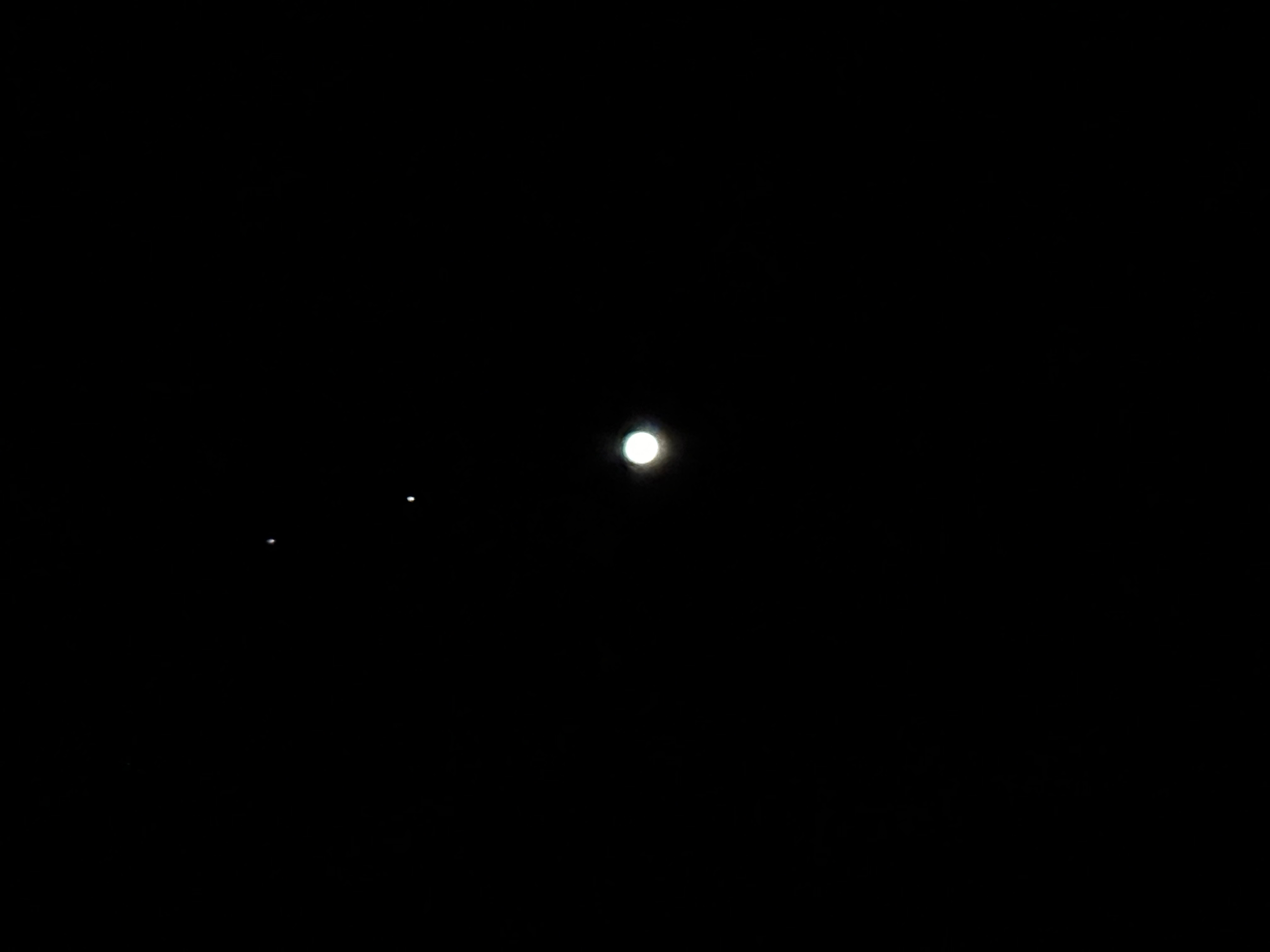
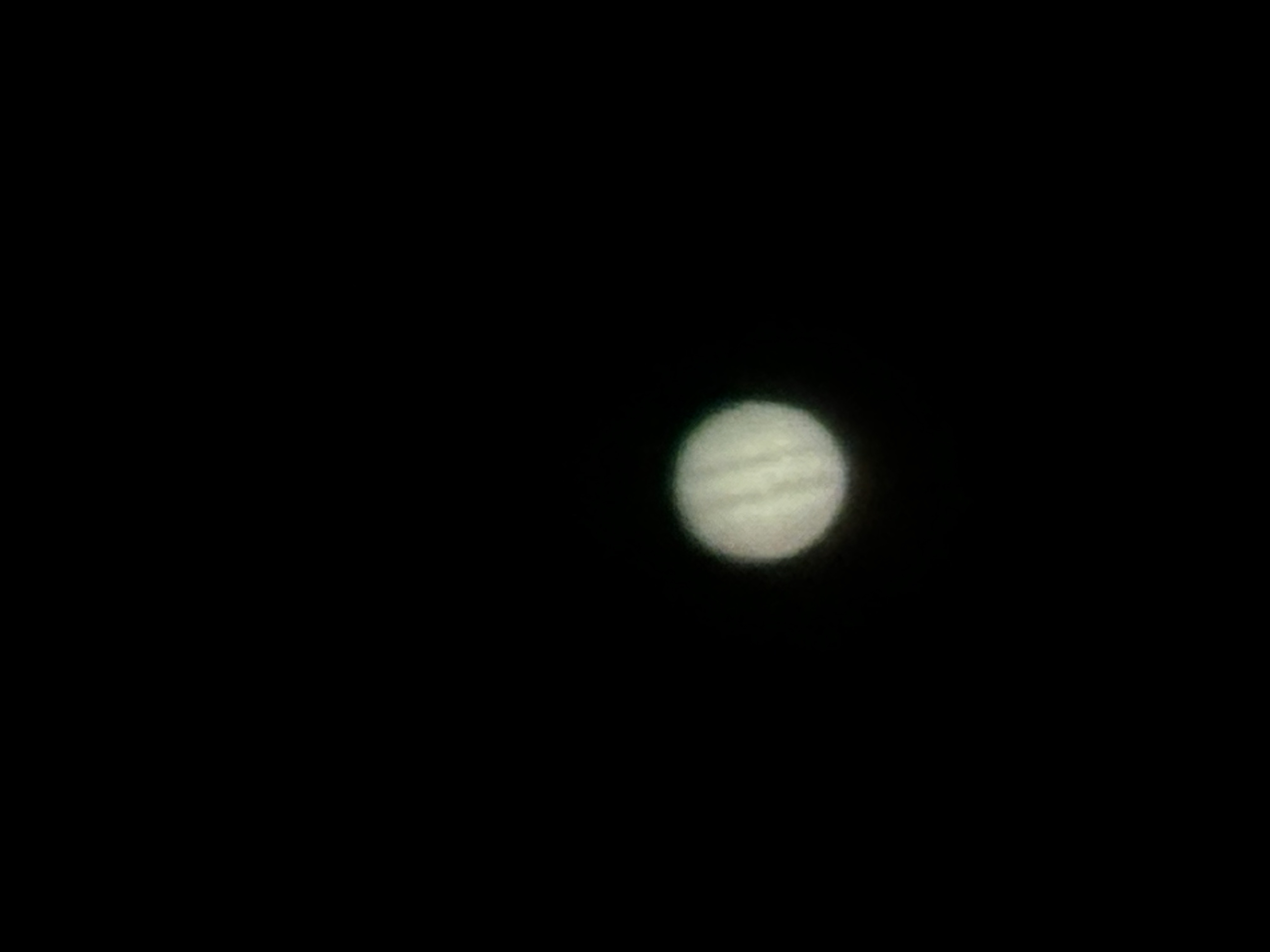
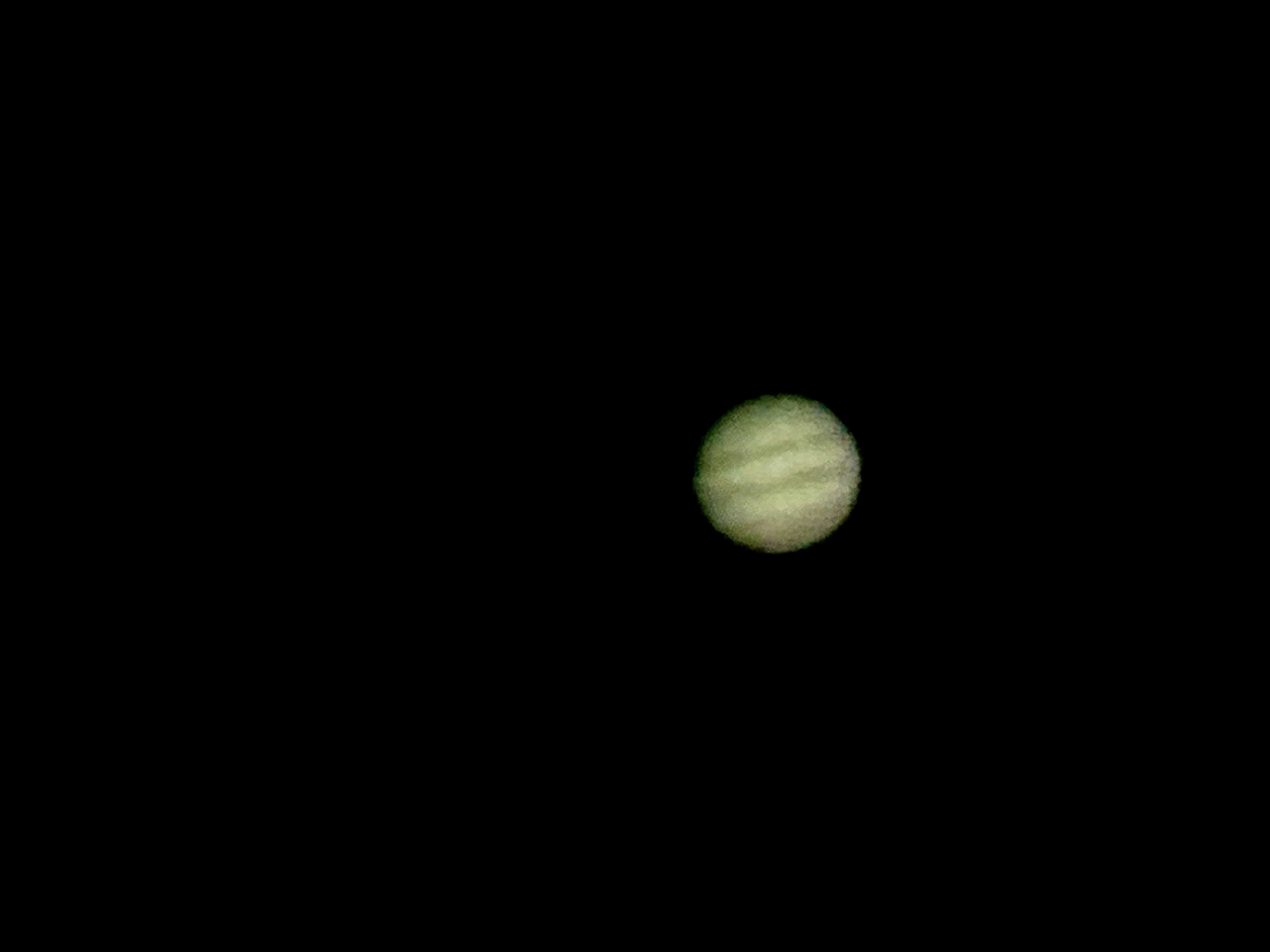
Jupiter – I had some incredible seeing conditions one night in December and got to capture definition of Jupiter’s cloud bands even with my small aperture telescope.
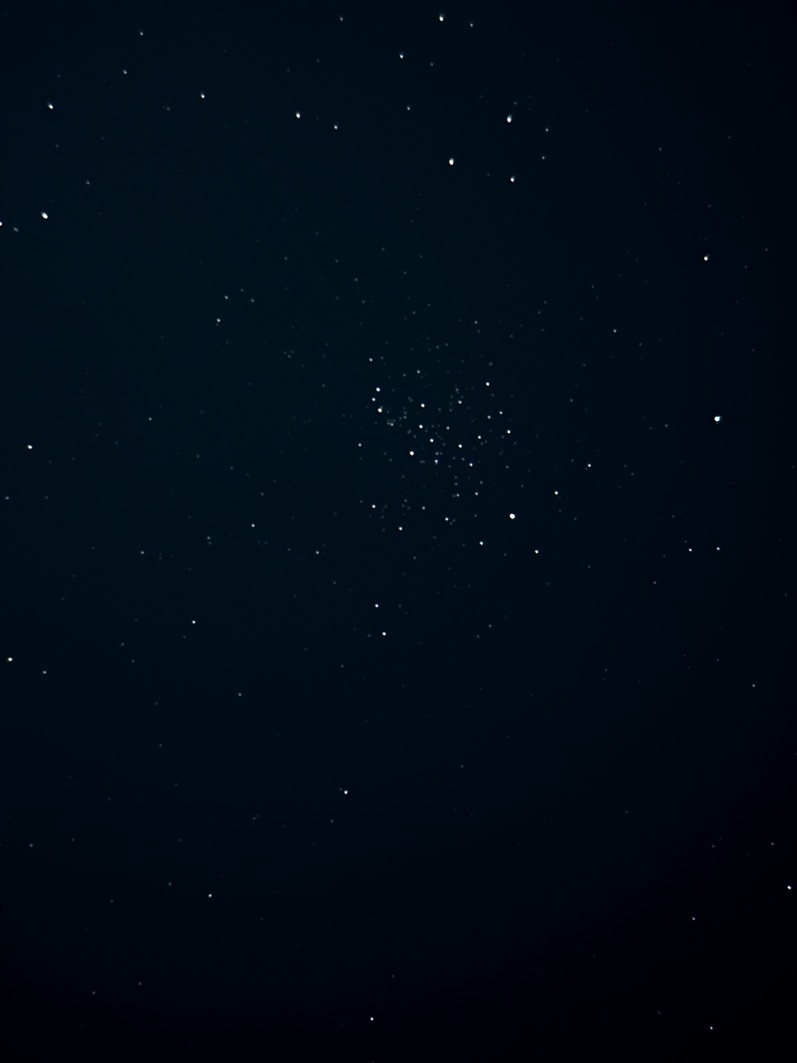
Star clusters are my favorite objects to look at in the telescope and I get lost gazing into them. I imagine how many of these stars have planets in the habitable zone and if there is intelligent life there. The night sky must be truly amazing to see from one of those planets!
Double Cluster (7,500 light years away)

M35 (2,900 light years away)
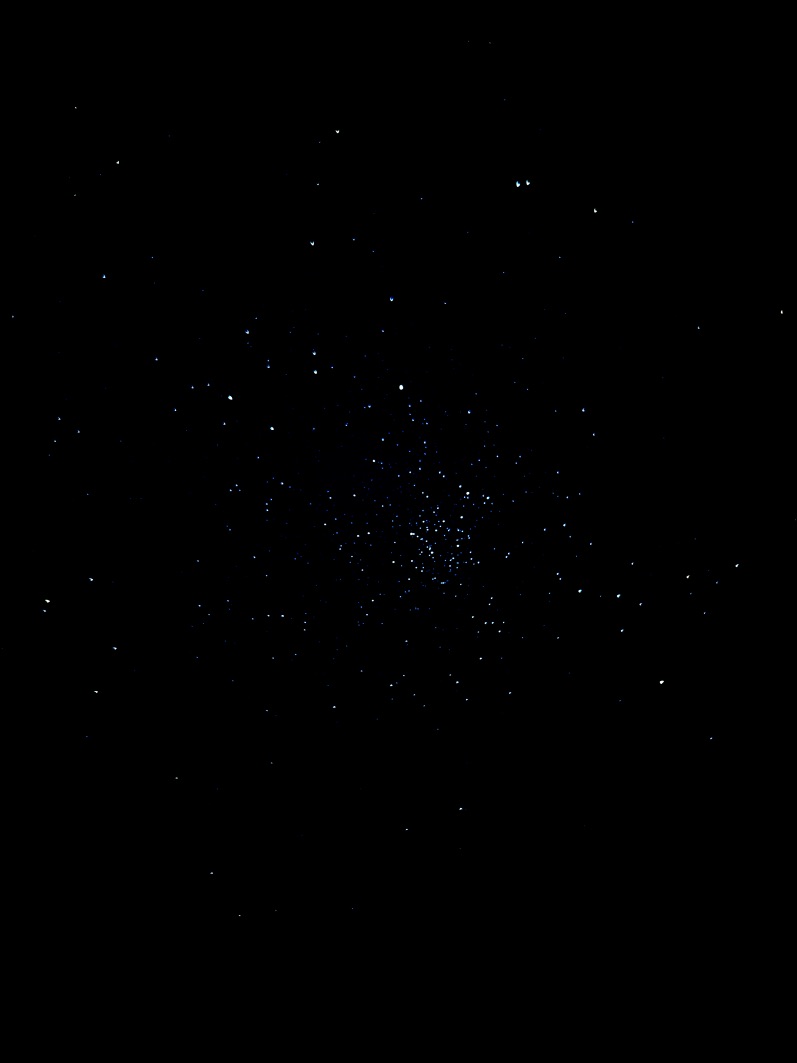
M36 (4,300 light years away)
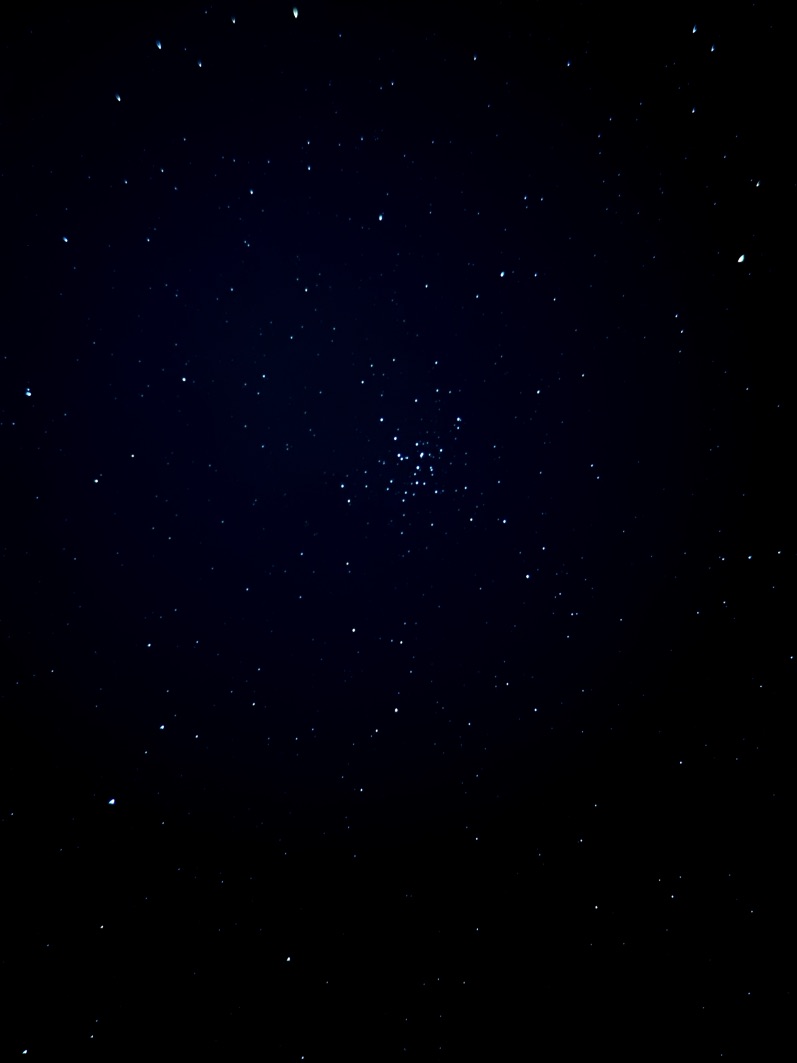
M37 (4,500 light years away)

M38 (3,500 light years away)


M44 (620 light years away). This one is close and if you have good dark sky conditions you can see it with your naked eye, although it looks like ‘fuzz’ or “cotton” floating in the sky. It’s in the middle of the Cancer constellation.
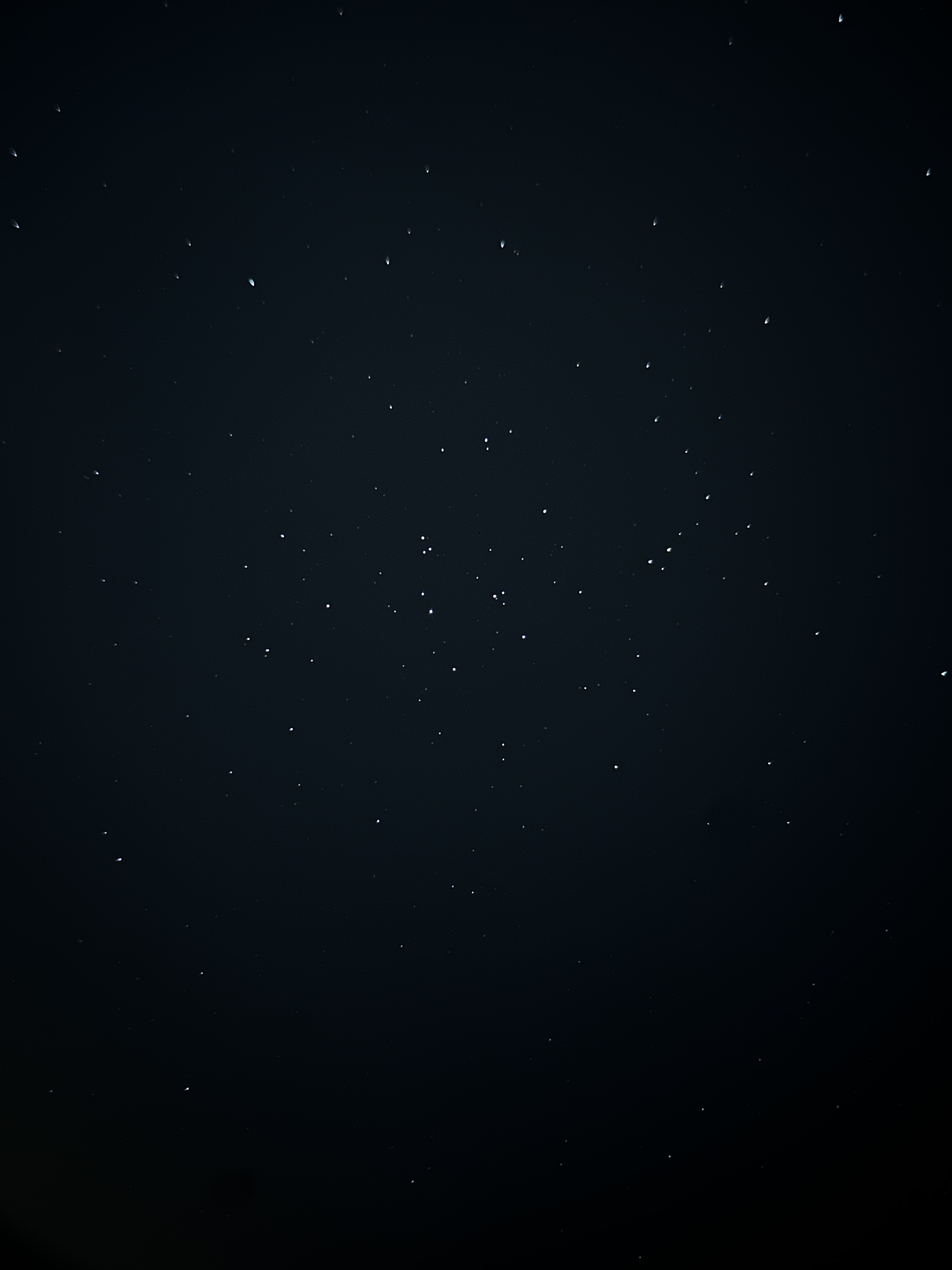
M45 (444 light years away). This is also close and you may know it as the “Seven Sisters” or Pleiades and is easily viewed with the naked eye at the end of the Perseus constellation (although it’s technically located in the Taurus constellation).
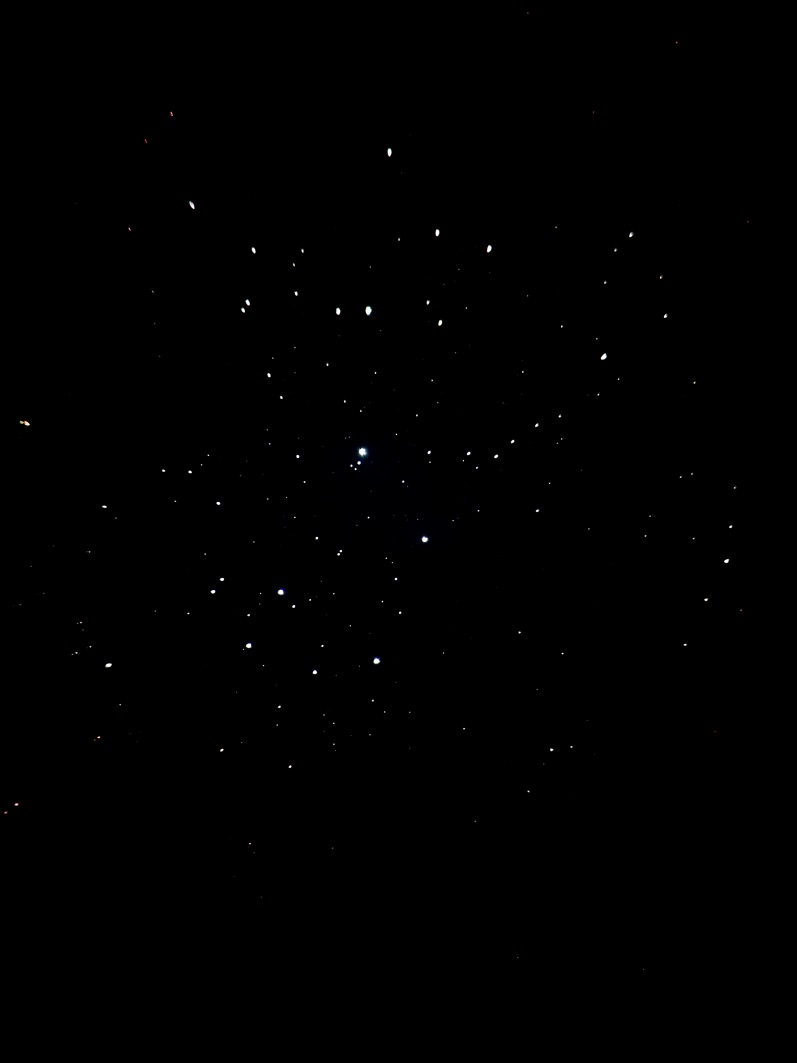
M67 (2,700 light years away)
Galaxies
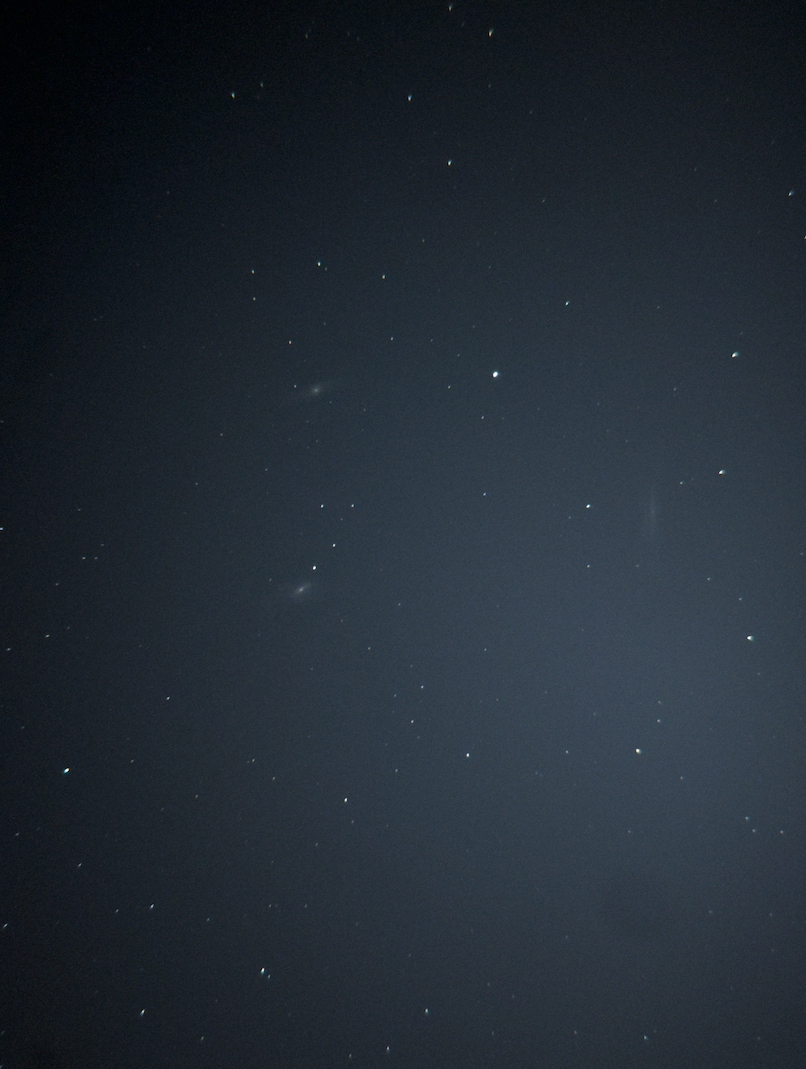
M65 (42 million light years away), M66 (31 million light years away) and NGC 3628 (35 million light years away). This is a nice galaxy triplet in Leo constellation and they make a triangle that is very pleasing to look at and easy to find if you know how to use a star chart.
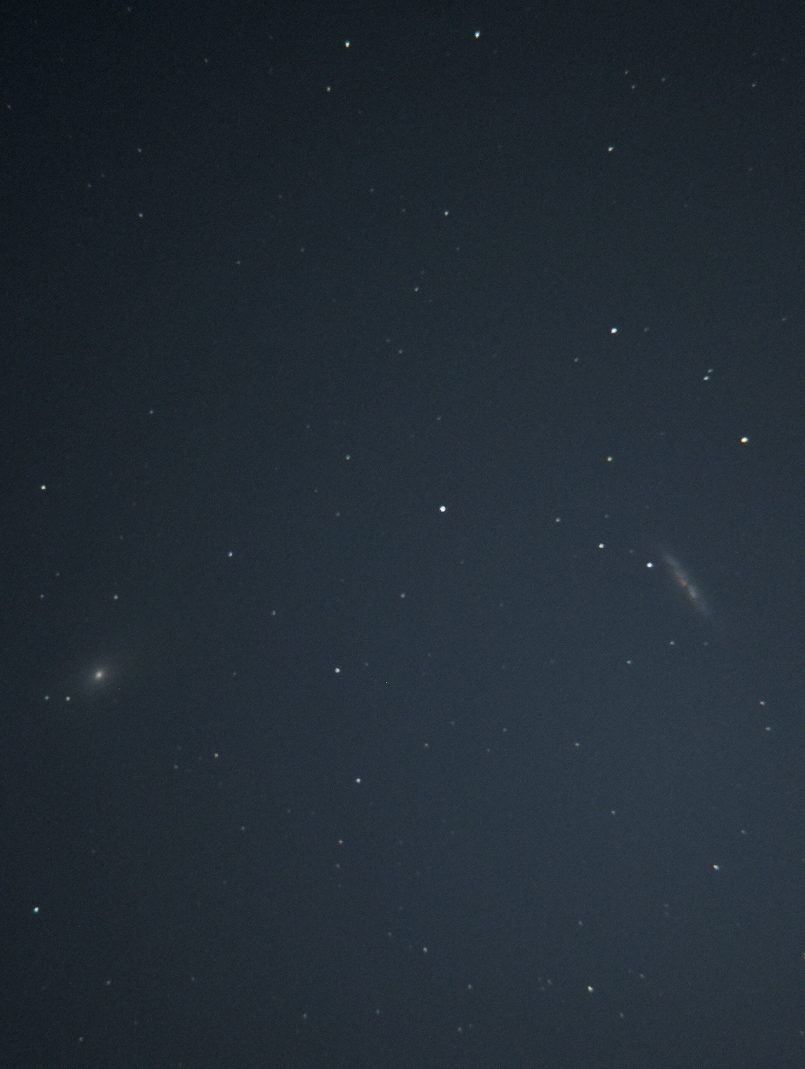
M81 (12 million light years away) and M82 (12 million light years away) galaxies.
Look at the definition I was able to tease out of M82 (right galaxy in pics below) even with my small aperture scope.
The photons I captured on my iPhone left those galaxies 12 million years ago, which was 10 million years before Homo Habilis appeared on the evolutionary timeline. This is why I say looking at deep space objects is like going back in time!

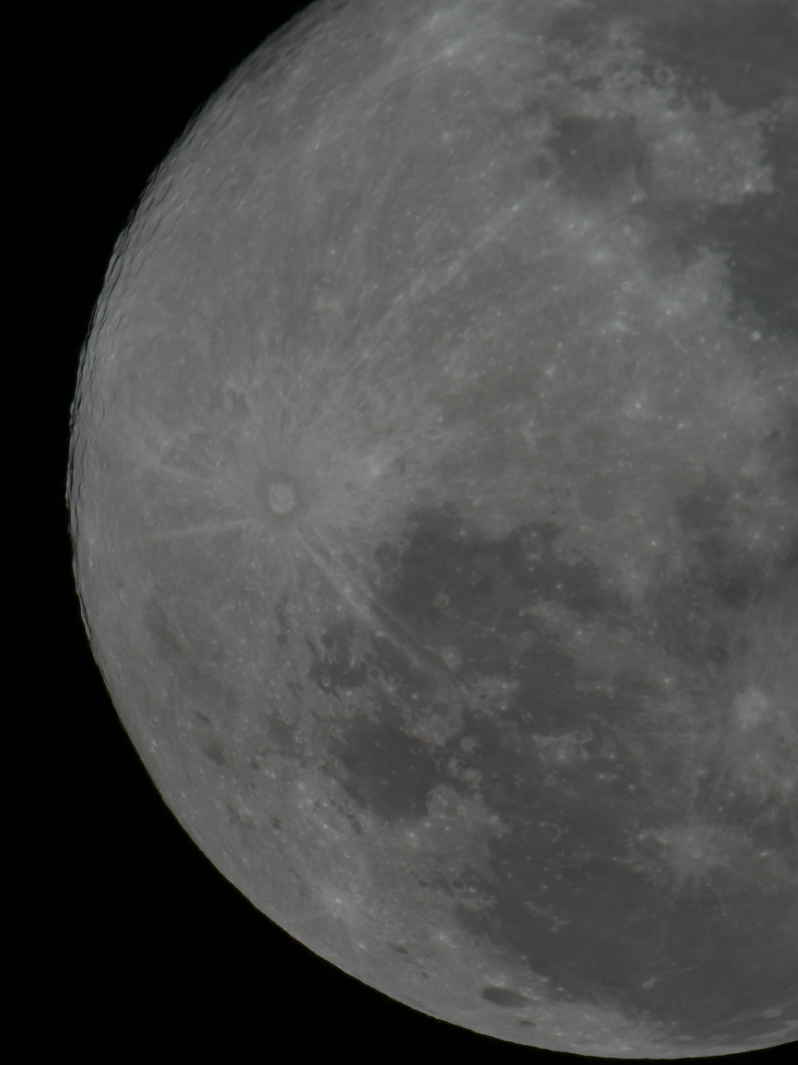
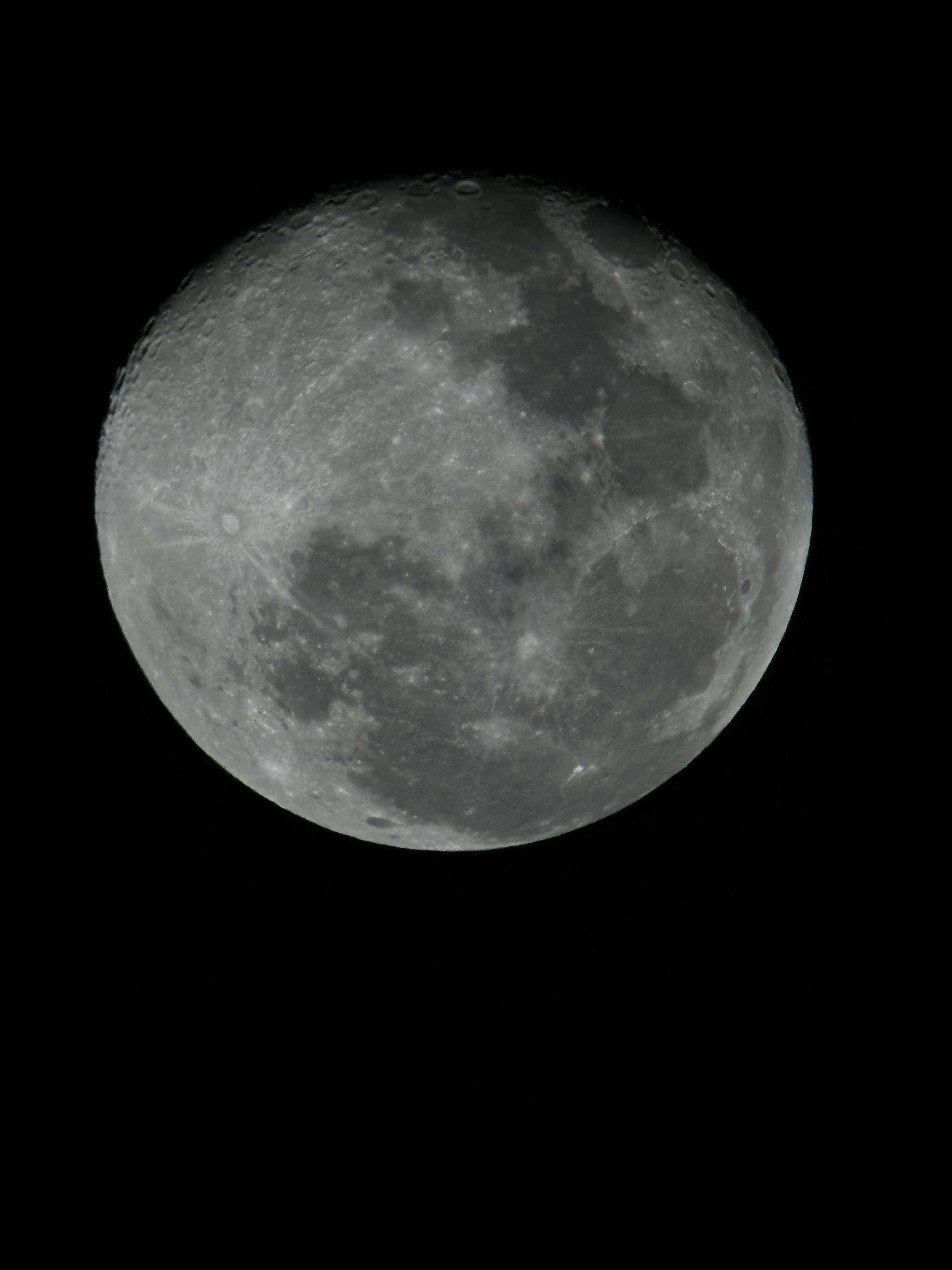
The Moon is always glorious to see in a telescope and while I have hundreds of pics of the Moon, here are a few from 2023 worth sharing.


Nebula
NGC 2392 – Eskimo Nebula (6,500 light years away). This is a star that is dying and we see the remnants of the gas ejected from the star similar to what our Sun will do in a few billion years when it uses up all the fusion material it has.
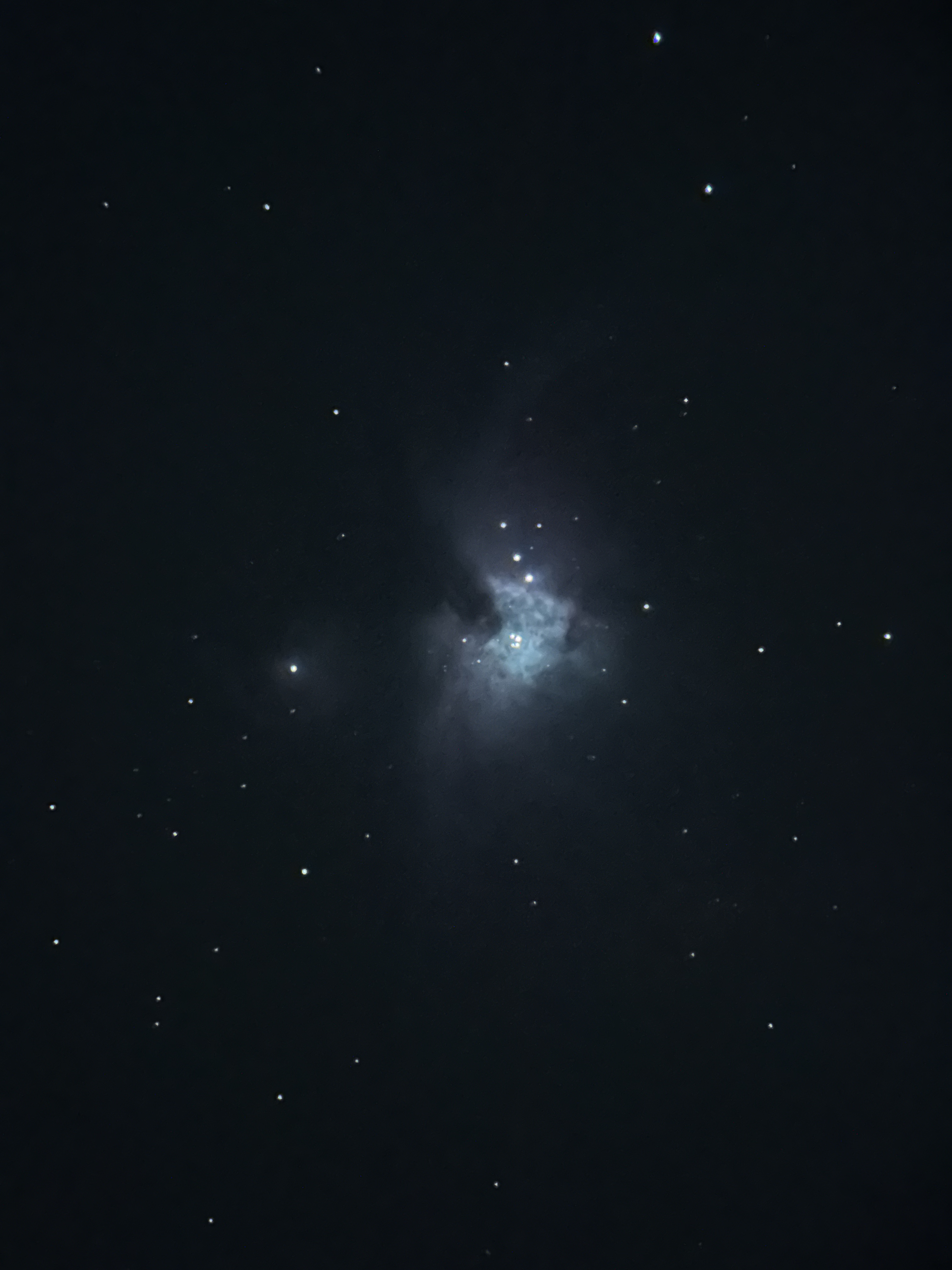
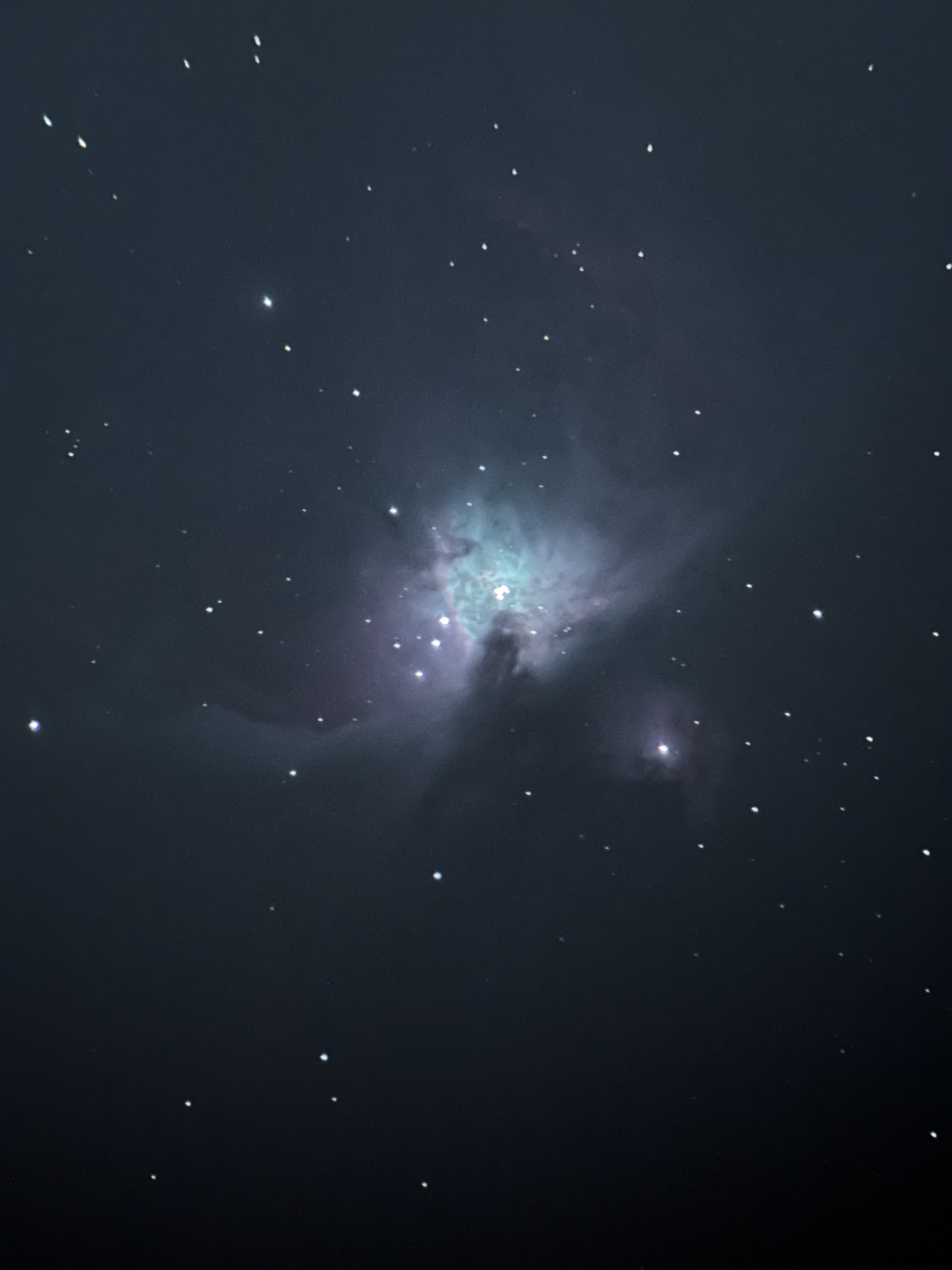
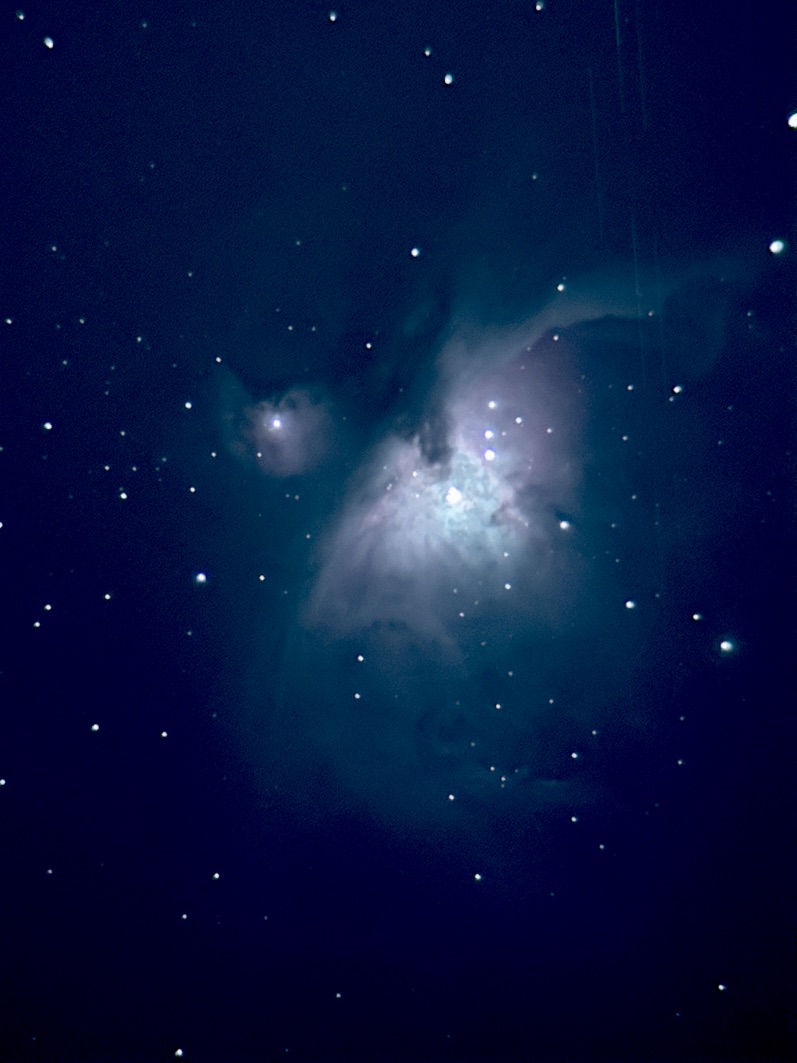
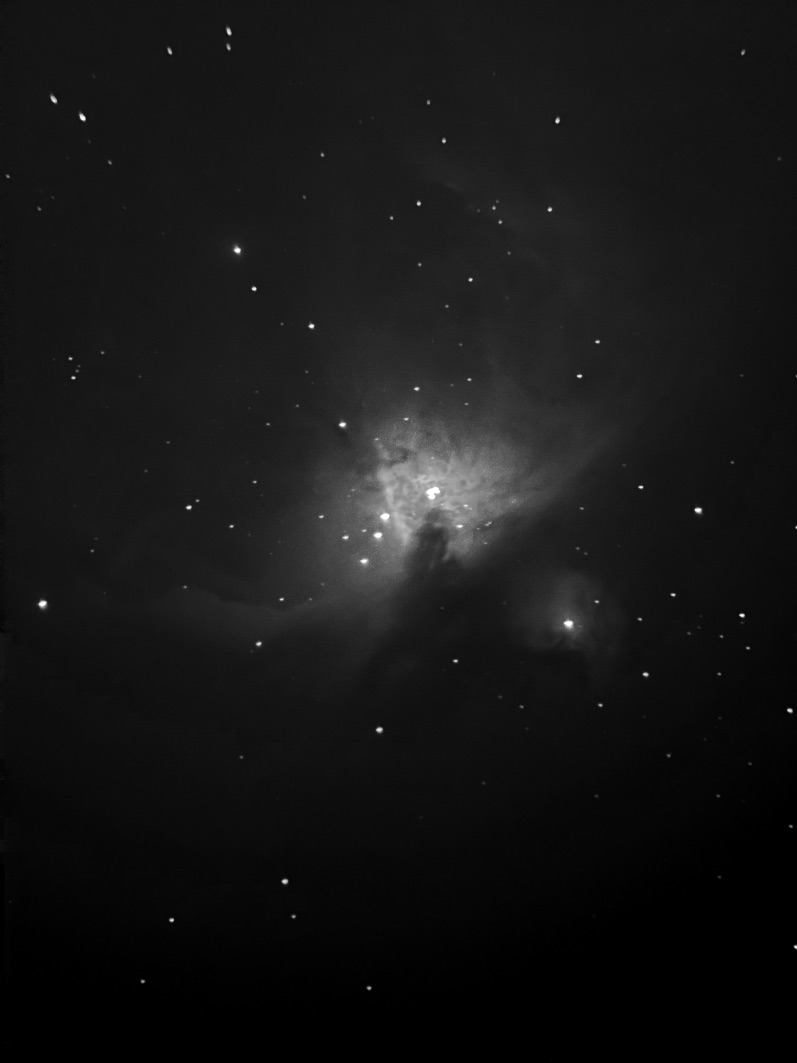
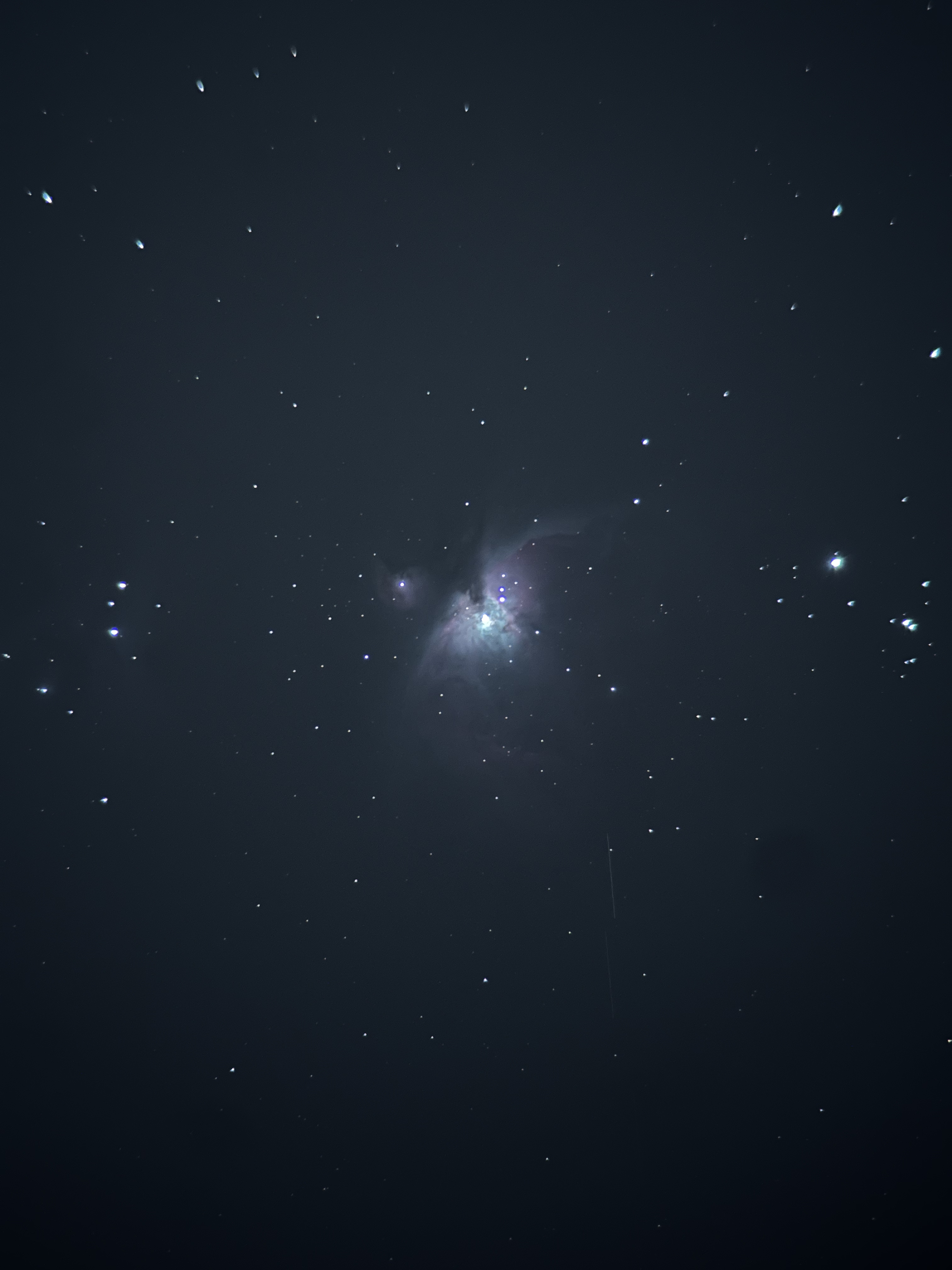
In my opinion the most photogenic of all objects in the sky is M42 (Orion Nebula, 1,350 light years away) and I’ve got plenty of pics of this! M42 is easily visible in the winter sky in the Orion constellation as this is the middle “star” in the 3 stars that represent Orion’s sword hanging down from his waist.




I hope you enjoyed these pics and if this kindled a new found interest in amateur astronomy, I hope you explore that more in 2024!

