
The following images were photographed and processed by myself in 2024 and the hardware I used to capture these images were:
-
- 85mm Refractor telescope (Orion EON Triplet Apo) with an Orion SkyView Pro equatorial mount
- iPhone 14 Pro
- Canon DSLR EOS Rebel T7
All of these images were taken from my front yard which is in a suburban area with significant light pollution and I’d call it a Bortle class 6.
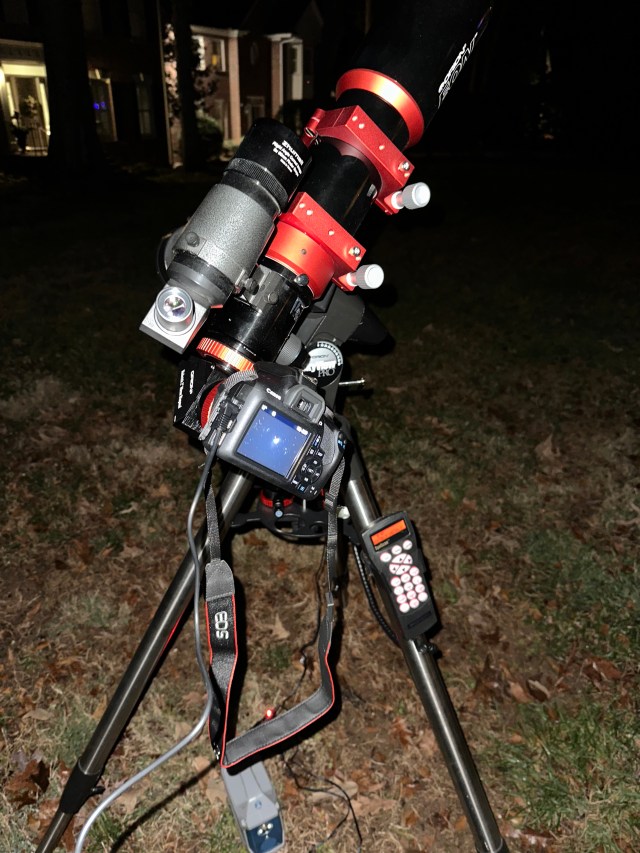
My setup for imaging with the DSLR.
For stacking and processes the images, I used Siril.
Hope you enjoy them and let me know if you have any questions in the comments.
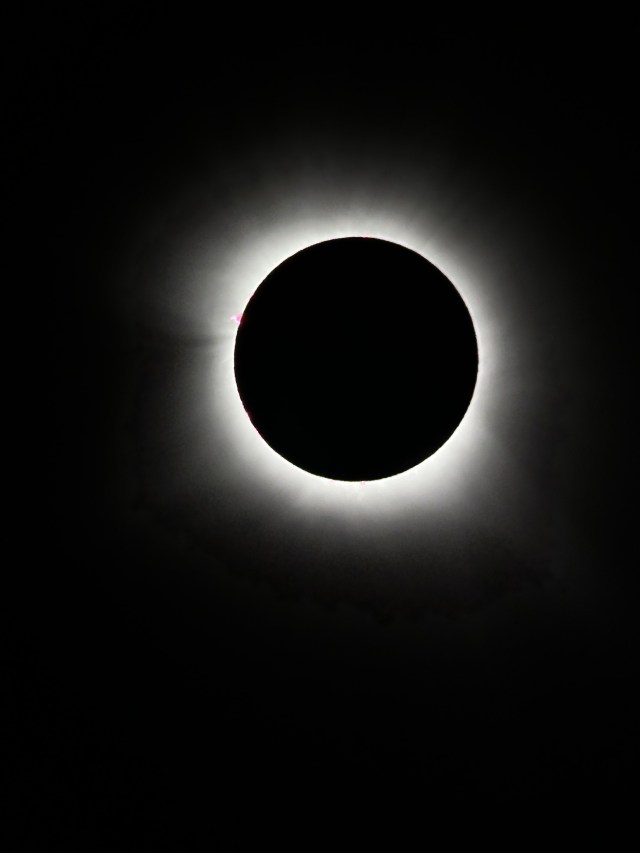
My favorite event with astrophotography was traveling to Western Kentucky on 08-APR-24 to witness the solar eclipse. We had totality there and it was my 2nd time seeing totality. I hope there will be a 3rd!

Before the main event, it was fun to watch the track of the Moon across the Sun. Of course I had a solar filter on the telescope for this shot.
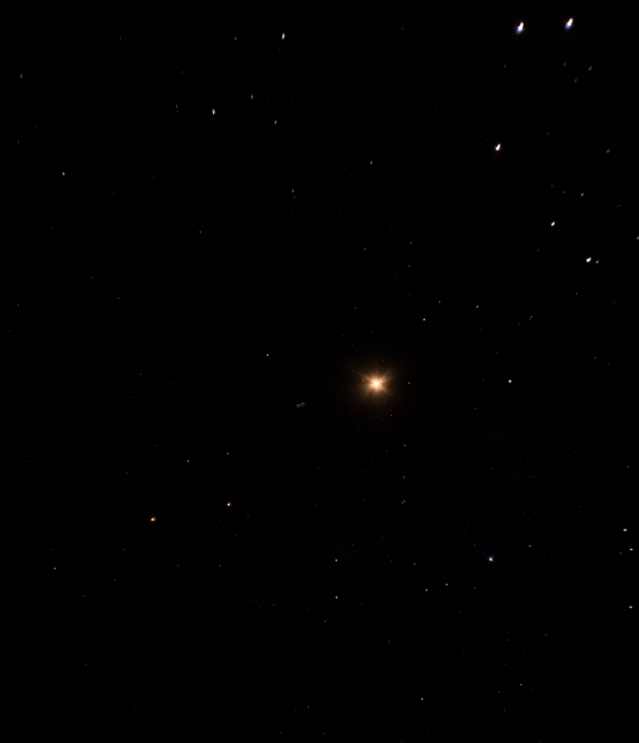
The bright orange star Aldebaren is shown here and it is the most prominent star in the constellation Taurus.
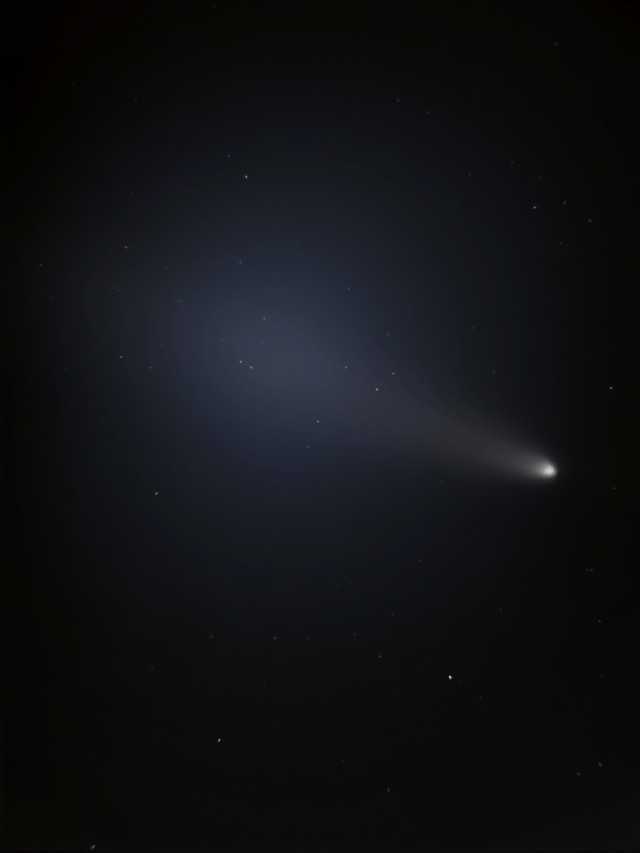
Comet C2023 A3 was in the night sky in October and it had a magnificent tail.

The Double Cluster pictured here is between the constellations of Cassiopeia and Perseus. The Double Cluster is comprised of NGC869 and NGC884 star clusters. This image is AutoStretched to show a massive amount of stars.

Here is a normally processed image of the Double Cluster and you can really see all the star colors.

M13 start cluster is one of my favorite objects to look at with just the eyepiece in the telescope. So many stars in this cluster that if life exists in there, the habitants of those planets would never know what “Night” is like.

M13 zoomed out so you can see how it contrasts with its surroundings.

The M11 star cluster is also called the Wild Duck Cluster.

The M5 star cluster is very photogenic and the processed image here shows the orange stars form a “ring” around the cluster.
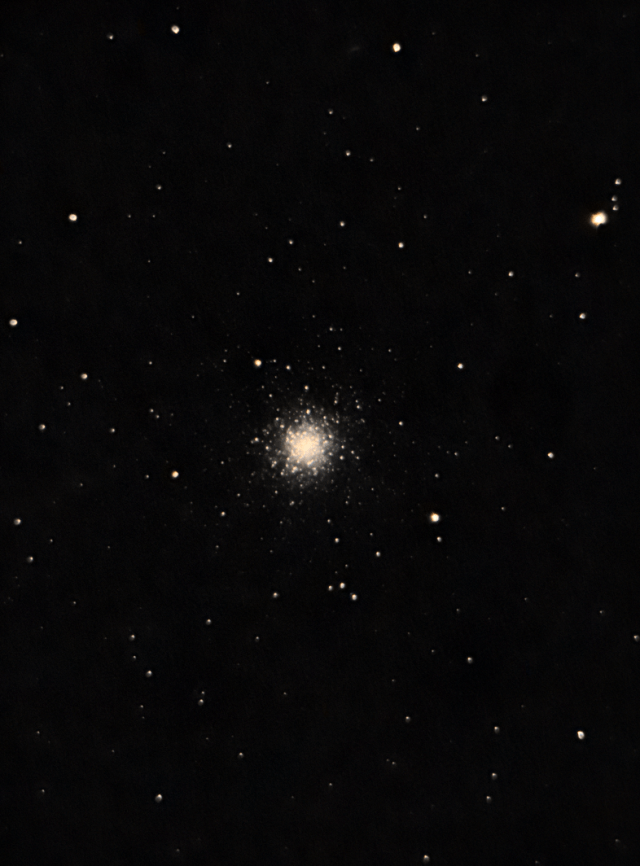
The M3 star cluster is very dense and contains around 500,00 stars! I couldn’t tease out the detail in this image as I was using my iPhone but you can see how bright the middle is.

The king planet of our solar system, Jupiter, is shown here with 3 of its moons.
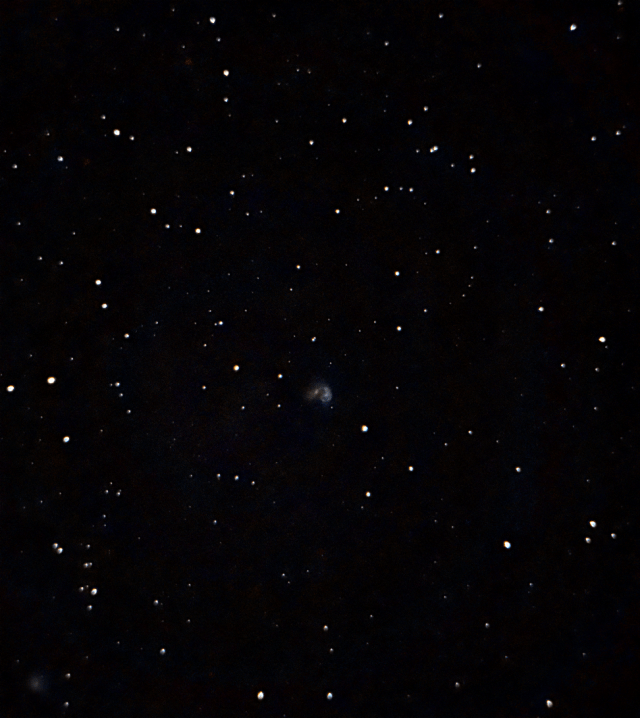
NGC4038 is known as the “Antennae Galaxies” and these two galaxies are interacting with each other. They are in the process of colliding with each other and we get to see it.
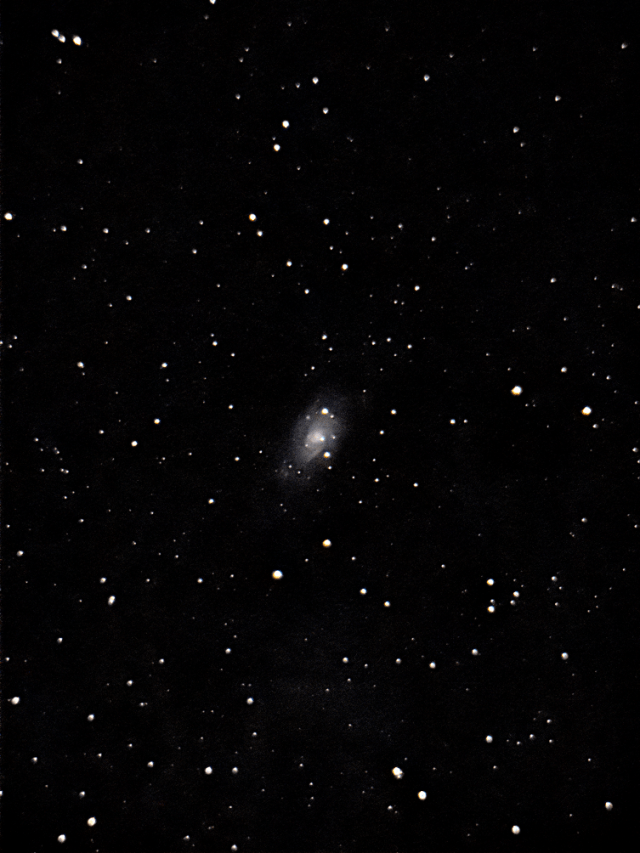
NGC2403 galaxy is small and faint in my telescope but it’s to be understood since the galaxy is located 9.65 million light years away!

NGC 2392 is also called the Eskimo Nebula and is in the constellation Gemini. One of the few objects where the color comes out even when looking at it through the eyepiece (no long exposure camera needed).

This pic shows NGC 2392 in green!

This is NGC2244 and part of the Rosette Nebula but due to lower exposure limits of the iPhone and the severe light pollution, I couldn’t tease out the beautiful Red colors.
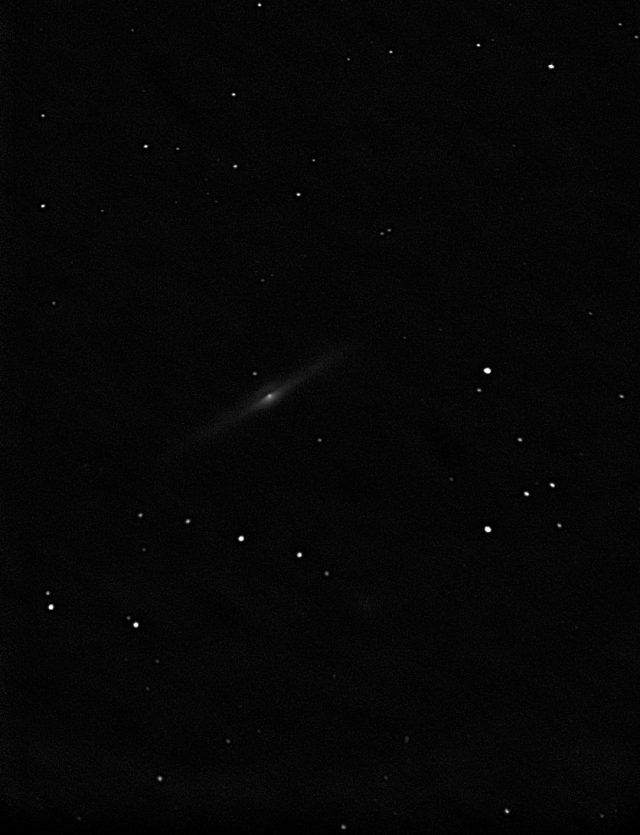
NGC4565 is a spiral galaxy sometimes referred to as the “Needle Galaxy” for obvious reasons! This galaxy is 43 million light years away and we see it in the constellation Coma Berenices.
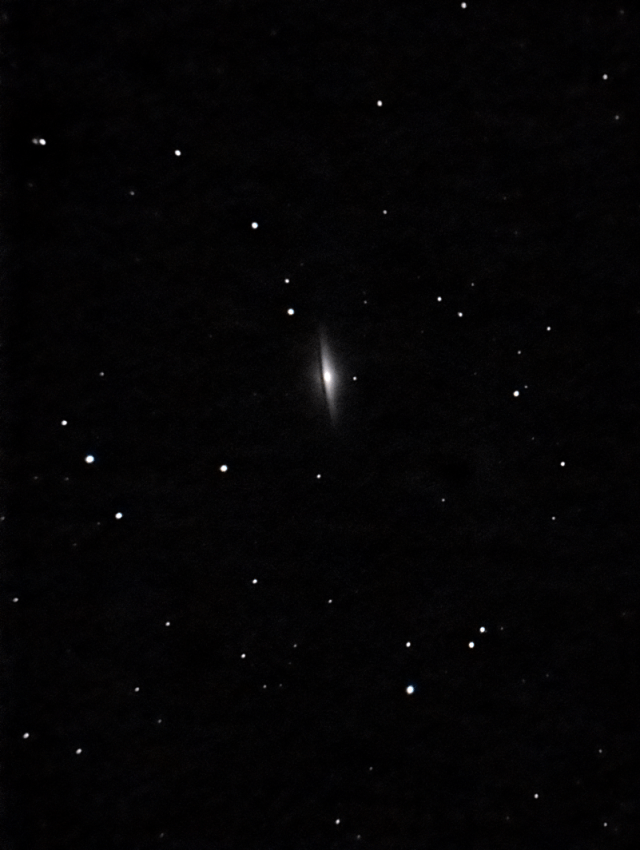
M104 is called the Sombrero Galaxy and is located 31 million light years away.
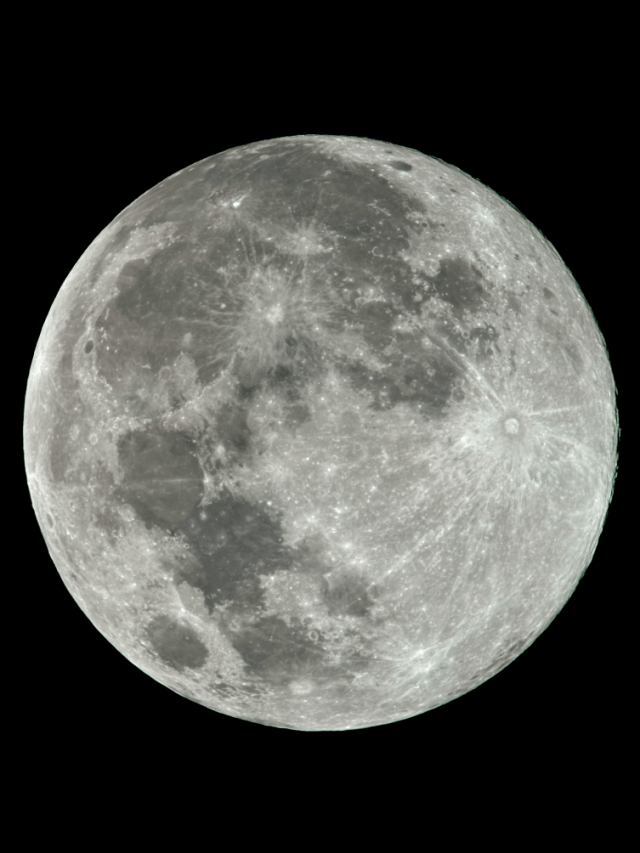
Obviously the Moon!
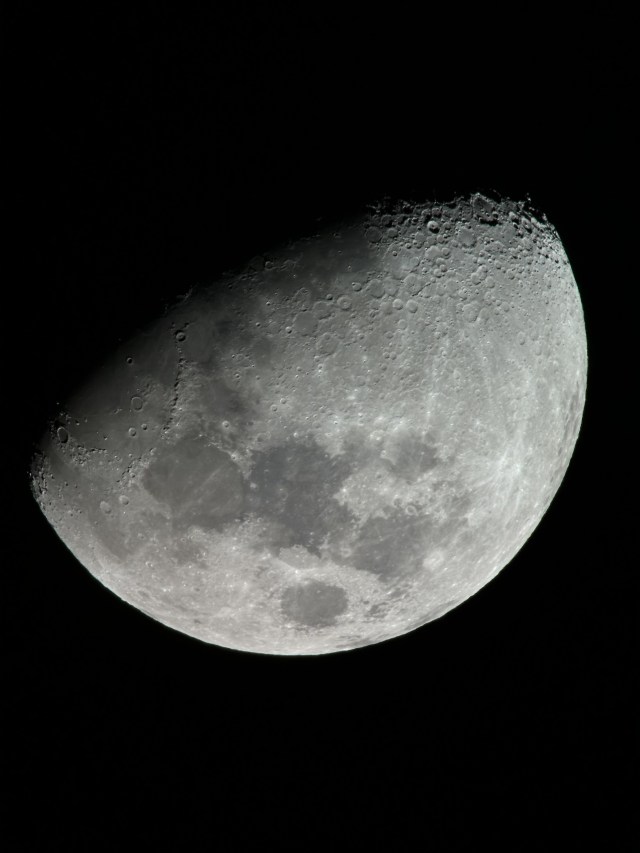
I prefer taking pics of the Moon when it’s not full so you can see the craters and the shadows they cast.
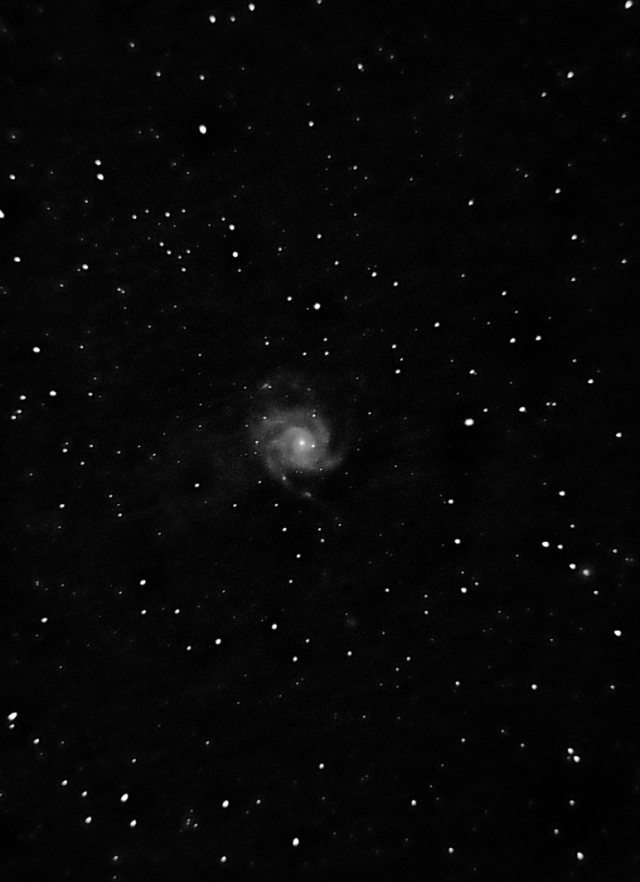
M101 is called the Pinwheel Galaxy and is located 21 million light years away and we can see it in the constellation Ursa Major.

There are 3 prominent galaxies that can be seen here – M95, M96 and M105. M105 is on the Left/Upper Center and has 2 faint galaxies in its proximity – NGC3384 and NGC3389. M96 is on the Right/Center and M95 is below it on the right.
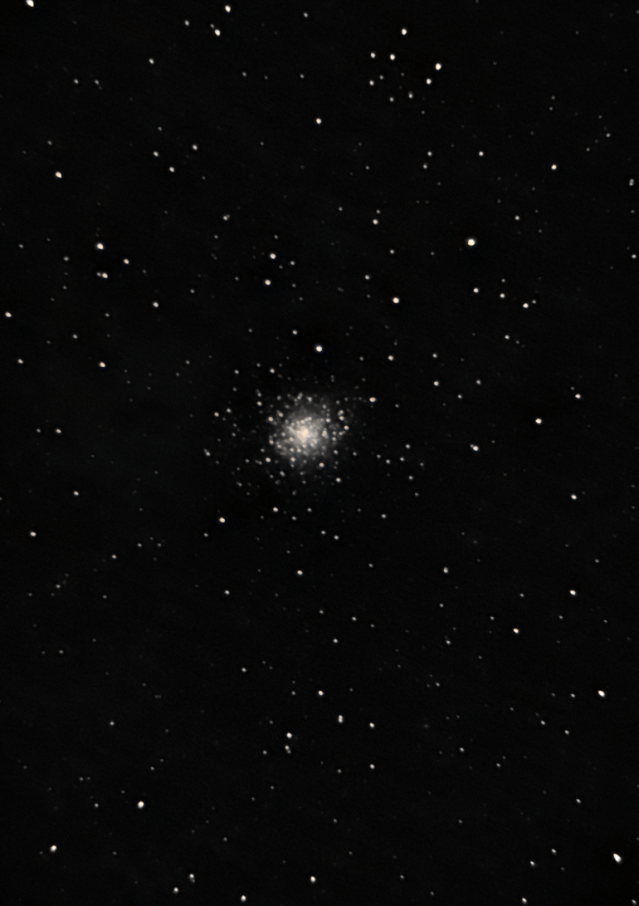
This is M92 star cluster in the constellation Hercules an dis 27,000 light years away.
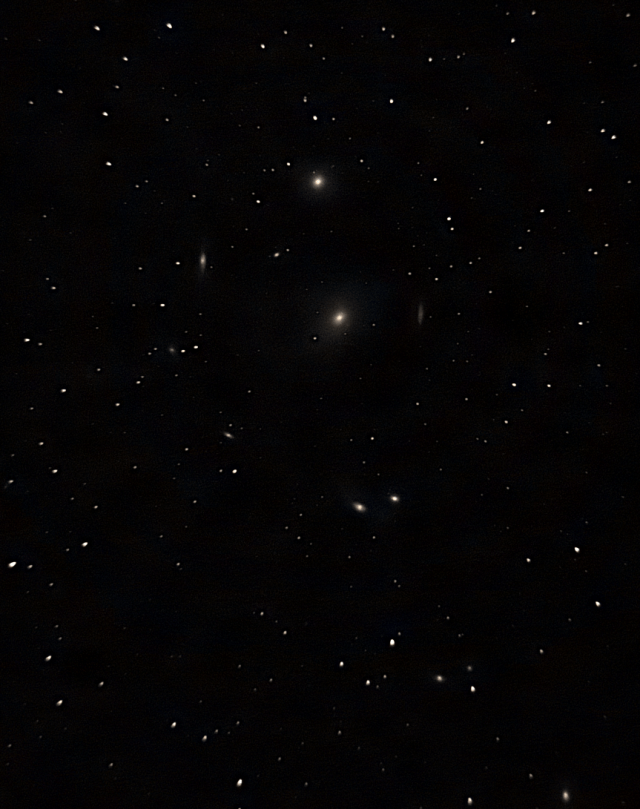
This is a picture of what’s called the Markarian’s Chain. There are MANY galaxies in this image that is dominated by the two large galaxies of M84 and M86 but any ‘fuzzy’ image in this picture is a galaxy.

M82 is called the Cigar Galaxy for obvious reasons and located 12 million light years away.
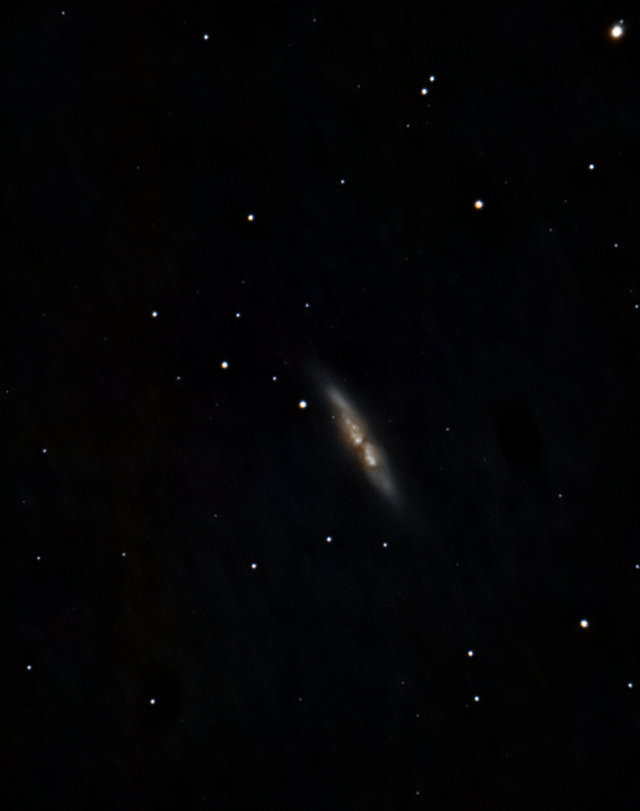
You can see the details of the starburst galaxy and the colors are visible this far way!
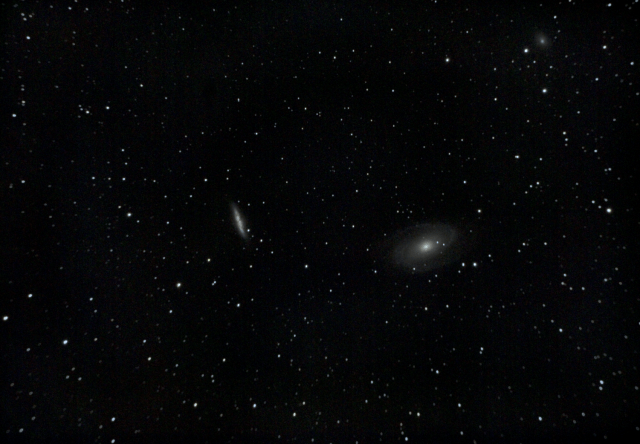
M82 is actually part of a very close pair of galaxies with M81. M81 is also 12 million light years away and the two galaxies are separated by about 150,000 light years.

A little closer image and you can start to see the large spiral of M81 and the colors of M82 are still there.
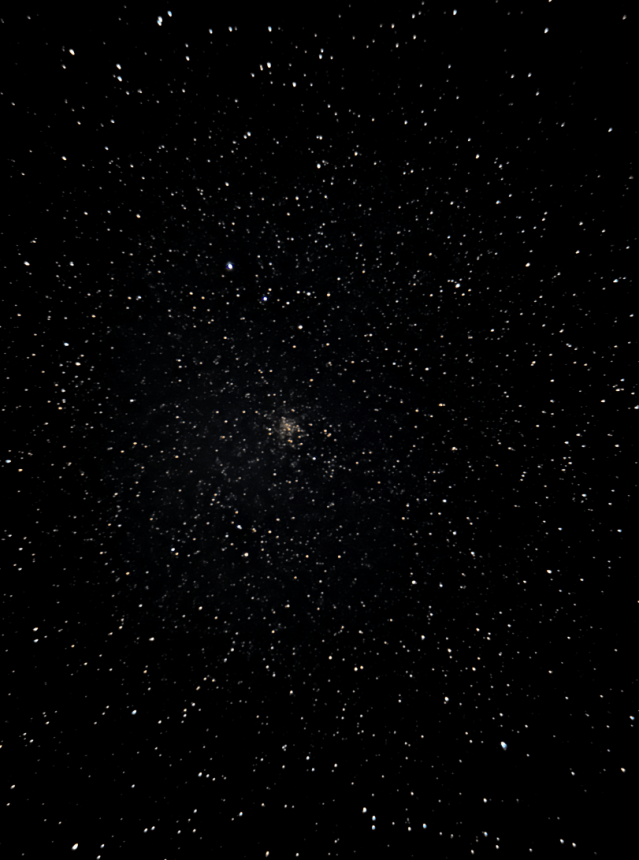
The M71 star cluster is 13,000 light years away and in the constellation Sagitta.

M67 star cluster is only 3,000 light years away and contains over 500 stars. Many of the stars are similar in age/color as Earth’s Sun and that leads people to wonder if this is where our Star was born.
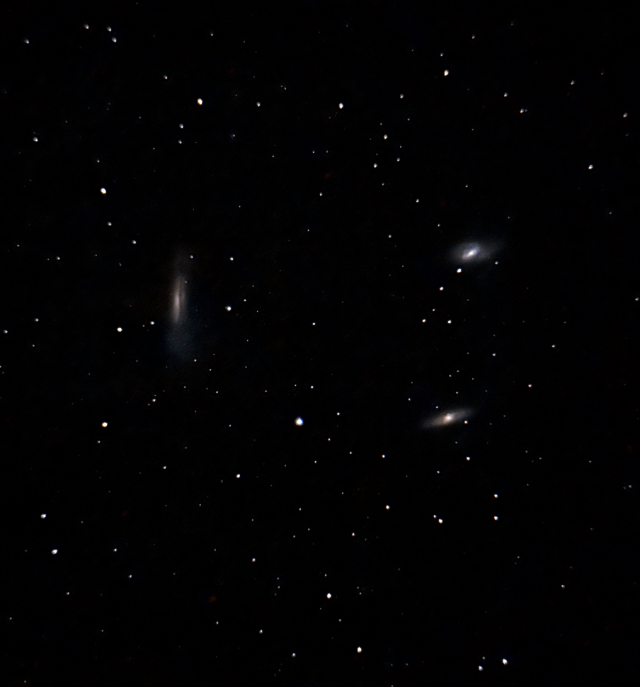
This collection of 3 galaxies in the constellation of Leo is call the Leo Triplet. Comprised of M65 (bottom right), M66 (top right) and NGC3628 (left), this galaxy group is 35 million light years away.

Another pic of the Leo Triplet with slightly different processing.

M64 galaxy is also called the Black Eye galaxy due to the dark half of its spiral. The galaxy is located 17 million light years away.

M57 is the Ring Nebula located in the constellation of Lyra. This is the remnant of a star that died a long time ago. The Nebula is very close to us, just 2,500 light years away.

M53 star cluster is in the constellation of Coma Berenices and located 5,800 light years away.

A lower magnification shot of M53.

M51 galaxy is actually 2 galaxies that are interacting with each other! They are 24 million light years away.
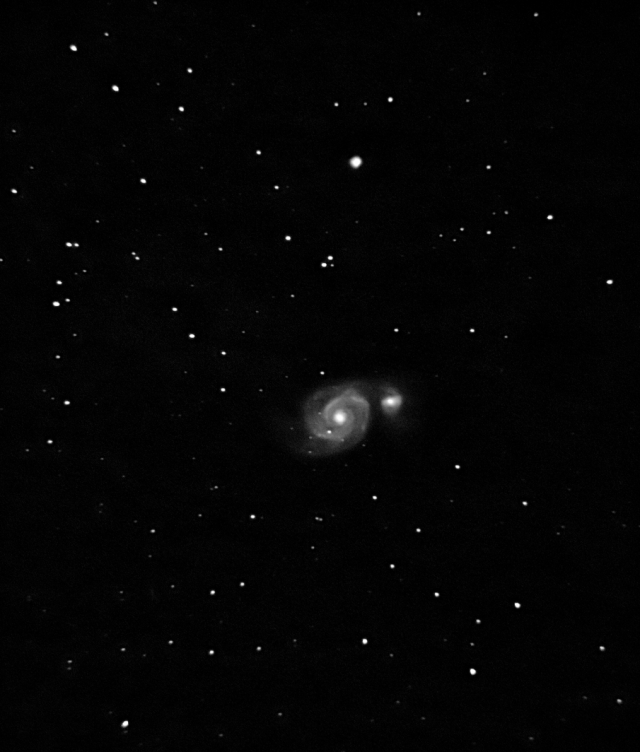
M51 is in the constellation Canes Venatici.
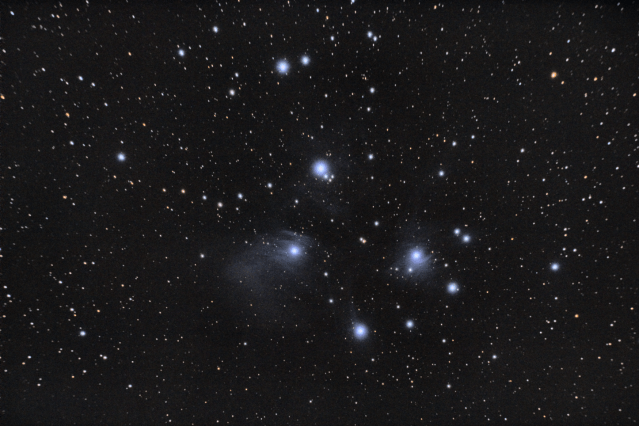
M45 star cluster is known by two other names – Pleiades and the Seven Sisters. It’s located just 450 light years away so we can see detail on the reflection nebular around these hot blue stars.

Here is a more exposed image of M45 that highlights more of the reflection nebula.

The M42 Nebula, known as the Orion Nebula, is located in Orion and easily recognizable with the naked eye. Below Orion’s belt are 3 ‘stars’ that make us the sword dangling from his waist. The middle ‘star’ is this nebula.

M42 is just 1,300 light years away.
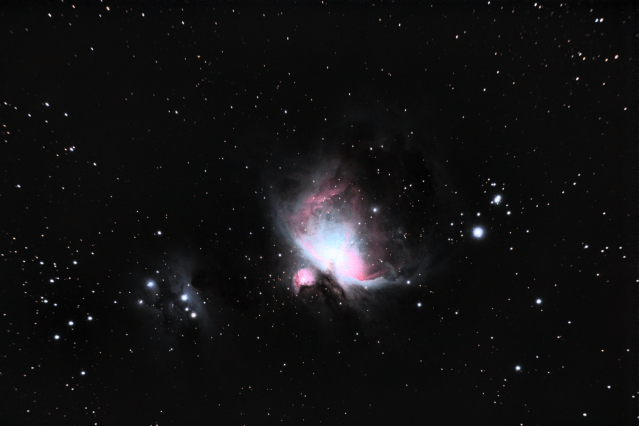
The 3 ‘stars’ of Orion’s sword are all in this pic. The great nebula is the middle one and is flanked by the other 2 ‘stars’ but as you can see, they have nebulosity as well.

The reflection nebula to the right of M42 is sometimes called the Running Man Nebula due to its resemblance to someone running.
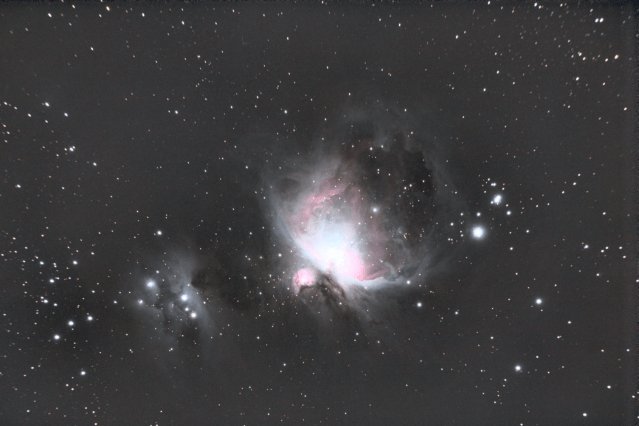
An image with more exposure to really show the nebulosity.

The M36 star cluster is in the constellation Auriga and located 4,400 light years away.

The M35 star cluster is in the constellation Gemini and located 3,000 light years away.

The M33 Galaxy is located in the constellation Triangulum and very faint. It’s 3.2 million light years away.
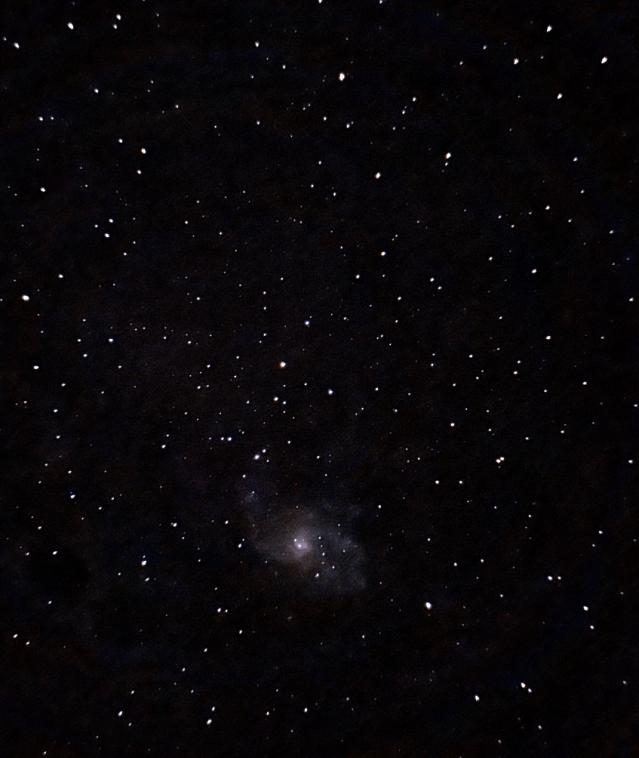
This is the best I could get of M33 using an iPhone in my severely light polluted suburban skies.
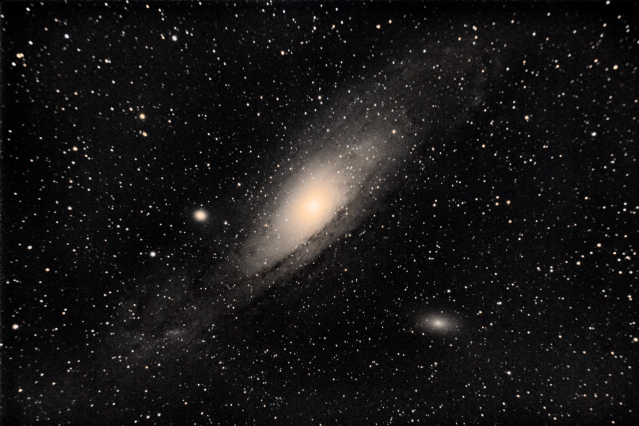
M31, the Andromeda Galaxy, is very photogenic and can be seen with the naked eye in even a moderately dark sky condition. It’s our closest galaxy to the Milky Way at around 2.5 million light years.

Higher exposure/stretching reveals all the details as well as 2 companion galaxies – M32 to the left and M110 to the right.
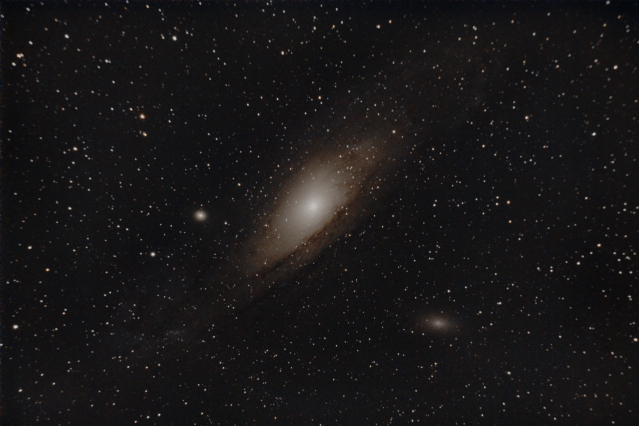
M31 is located in the constellation of Andromeda and you can definitely see it with binoculars and finding it is not too difficult by searching star charts.
 cosmoscon